One day, you'll thank yourself for starting today.
How Artificial Intelligence Is Reshaping Early Career Choices
AI readiness, upskilling, and fear of automation are major discussion points for early-career professionals. Explore how AI is reshaping first jobs and career paths.
TECH & FUTURE
Sofia Nguyen
6/9/20262 min read

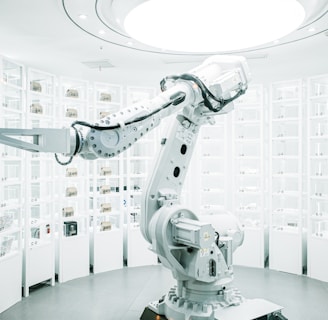
Artificial intelligence is no longer a future topic. It is changing first jobs and career paths for young adults right now. Gen Z and early career professionals are increasingly thinking about AI readiness, upskilling, and whether automation will replace the roles they are training for. This is not just a tech industry problem. It is affecting every field from marketing to finance to healthcare.
Many young professionals worry about being replaced by automation before they have built a track record. They see tools that can write, design, analyze, and code faster than humans. They see companies using AI to reduce headcount or to expect more from fewer people. That creates a sense of urgency around learning new skills and staying competitive.
The pressure is especially strong for early career workers who have not yet built a track record. Entry level roles now often require experience with AI tools, data analysis, and digital workflows. Young adults feel they need to learn these skills while still in school or right after graduation. That is a heavier burden than previous generations faced.
AI is also changing which careers feel safe. Some fields that once seemed stable are now uncertain. Administrative work, basic content creation, and routine analysis are increasingly automated. At the same time, roles that require creativity, emotional intelligence, and complex problem solving are more valuable. Young adults are trying to navigate this shift while choosing what to study and what jobs to pursue.
The workplace environment amplifies this pressure. Many young adults entered the workforce during remote work disruptions, layoffs, and rapid changes in hiring norms. They see older colleagues lose jobs or face ageism. They see entry level roles require more experience than ever. They see hiring processes become more competitive and more opaque. AI adds another layer of uncertainty.
Education is also changing in response. Many young adults are prioritizing AI skills over traditional degrees. They are taking online courses, building portfolios, and learning tools that help them work with AI instead of being replaced by it. Some are choosing careers that feel more AI resistant. Others are building side hustles that use AI to amplify their work.
Gender is also part of this story. Young women often face additional barriers like pay gaps, leadership bias, and emotional labor expectations. They may feel they need to be more skilled than their male peers to be seen as equally competent. Young men often feel pressure to be the primary earner while also navigating changing expectations around masculinity and emotional availability. For both groups, AI adds a new dimension of pressure.
What makes this topic trend is that it is not abstract. It is about how people choose their education, their side hustles, and their career paths. It is about whether they stay in a job they dislike or risk leaving. It is about whether they move cities or countries for work. It is about whether they feel hopeful or anxious about the future.
AI readiness for Gen Z is not just a tech skill. It is a career survival skill. It is less about proving competence to others and more about building a life that feels sustainable and meaningful in a world where automation is accelerating.
That shift is what makes this topic so compelling. It is not just about learning a new tool. It is about reimagining what work looks like when machines can do more of the routine tasks and humans are expected to focus on creativity, judgment, and connection.